For Informational Purposes Only
The articles below are provided for general educational purposes only and are not a substitute for professional medical advice. Please read our full medical disclaimer before relying on any information found here.

Volatile anesthetic washout is used to accelerate and control emergence from general anesthesia. How agent solubility, tissue uptake, duration of exposure, fresh gas flow, and ventilation shape the transition to recovery.
Read More
Lung-protective ventilation, built on lower tidal volumes, individualized PEEP, and attention to driving pressure, has emerged as a key strategy for reducing postoperative pulmonary complications during general anesthesia.
Read More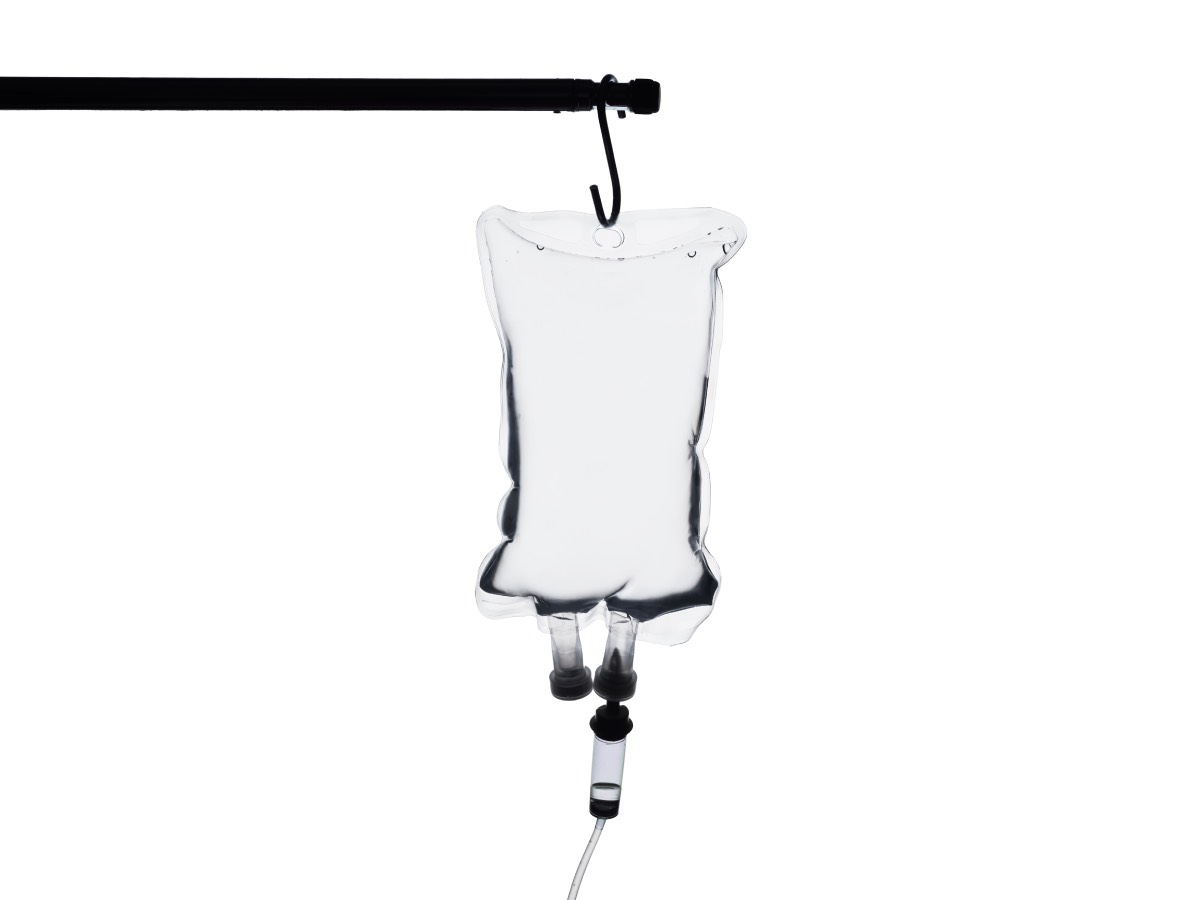
Recent research demonstrates that pre-spiking IV bags does not inherently increase the risk of contamination within clinically relevant timeframes, supporting more flexible, evidence-based institutional policies.
Read More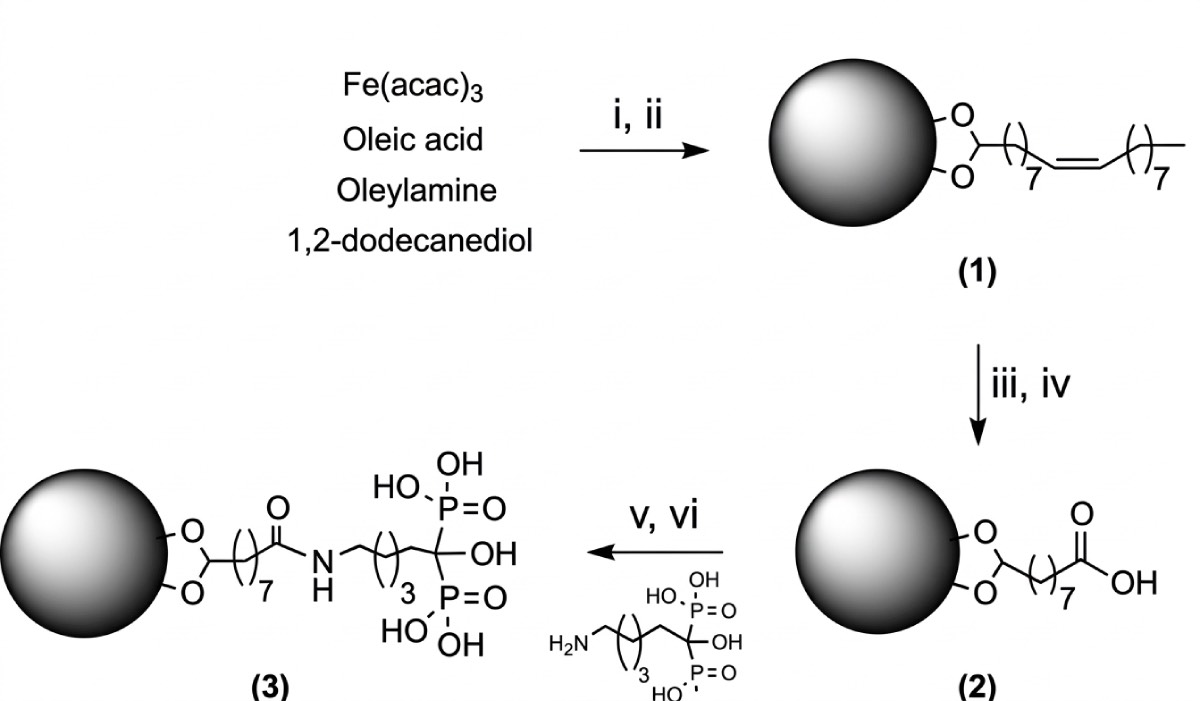
Neridronate, a bisphosphonate traditionally used for bone disorders, is emerging as a promising non-opioid analgesic, particularly in conditions involving bone and inflammatory pain such as CRPS.
Read More
Prophylactic norepinephrine has emerged as a strategy to maintain blood pressure during anesthetic induction, reducing hypotensive episodes and adverse outcomes in high-risk surgical patients.
Read More
The EU has introduced new regulations that significantly restrict the use of desflurane due to its exceptionally high global warming potential, prohibiting routine use beginning January 1, 2026.
Read More
Fasting requirements before surgery are evolving. Research supports more lenient NPO guidelines in certain cases, though fasting remains important in many procedures involving anesthesia.
Read More
Near-infrared spectroscopy offers a noninvasive measure of real-time cerebral oxygenation, providing a promising tool for monitoring anesthesia depth and improving intraoperative patient safety.
Read More
As perioperative care grows increasingly sophisticated, anesthesiologists must develop competency in interpreting medical imaging at the point of care.
Read More
Anticholinesterases, also known as cholinesterase inhibitors, are a class of drugs that inhibit acetylcholinesterase, the enzyme responsible for degrading acetylcholine.
Read More
The perioperative period represents a vital timeframe when nutritional status directly affects surgical outcomes, recovery speed, and patient survival rates.
Read More
Pulmonary fibrosis is a progressive interstitial lung disease that leads to architectural distortion of the lungs, characterized by fibrosis and reduced lung volume.
Read More
In 2025, the pharmaceutical industry has witnessed a series of significant drug recalls, underscoring ongoing challenges in ensuring medication safety and quality.
Read More
Urinary catheters are commonly used in the operating room to facilitate urine drainage, maintain bladder decompression, and monitor urine output during surgery.
Read More
Standardization in surgeries ensures patient safety and improves outcomes, yet significant variation in individual surgeon speed persists across specialties.
Read More
Simulation training has become an essential component in modern anesthesia education, providing professionals the opportunity to practice critical skills safely.
Read More
Intubation for patients diagnosed with angioedema is a complex and critical medical procedure due to the nature of the condition and its potential for rapid deterioration.
Read More
Anesthesia providers undergo extensive training before becoming licensed. Given the complexities involved, hands-on practice in a controlled environment is crucial.
Read More
The United States grappled with a severe shortage of intravenous (IV) fluids as a result of recent natural disasters, creating major challenges for surgical care.
Read More
Medical errors represent a significant healthcare concern, with medication administration errors particularly prevalent in anesthesiology. Best practices can mitigate risk.
Read More
In the practice of anesthesia, the method used to induce unconsciousness is crucial and can significantly impact the surgical experience for both patient and provider.
Read More
Patients with Type I Diabetes suffer from an absolute deficiency of insulin production due to autoimmune destruction of pancreatic beta cells, complicating anesthetic management.
Read More
In anesthesia billing, physical status modifiers are important reflections of patients' clinical conditions and the associated risk of administering anesthesia.
Read More
Combined spinal-epidural (CSE) anesthesia is a versatile technique used for pain management during labor, surgery, and postoperative care.
Read More
Ultrasound has rapidly become an important tool in anesthesiology, with the American Society of Anesthesiologists recommending its use in medical training.
Read More
Colonoscopies play a vital role in detecting, diagnosing, and treating gastrointestinal conditions, but debate persists over the use of anesthesia for these procedures.
Read More
Anesthesia often seeks to control muscle movement to facilitate surgery, whether through temporarily paralyzing muscles or returning normal function.
Read More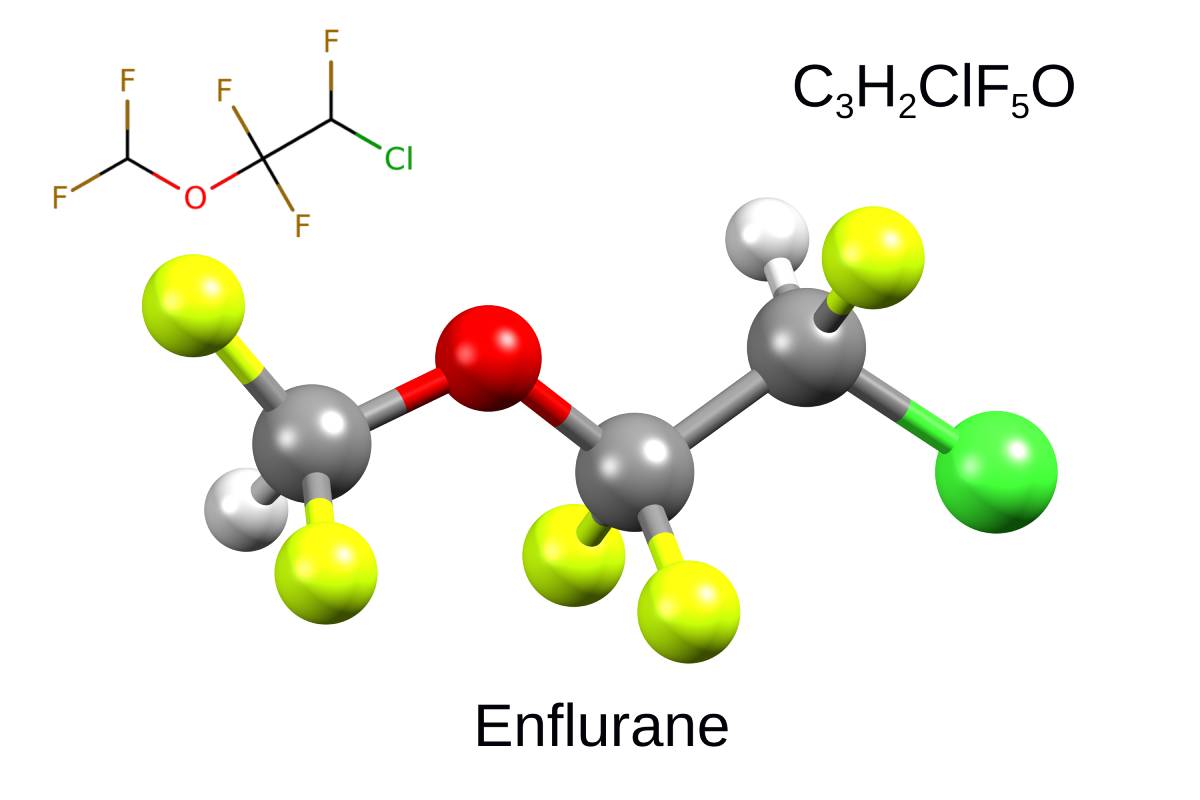
In the 1950s, halothane was coined the miracle anesthetic. Enflurane emerged as an alternative in following decades, with its own distinct profile of benefits and risks.
Read More
Surgery and anesthesia may pose risks to an unborn fetus, making routine preoperative pregnancy testing an important consideration for women of childbearing age.
Read More
A heart attack is a serious event with lasting health implications, and a recent episode can increase a patient's perioperative risk for non-cardiac surgery.
Read More
Intraoperative bleeding is a major complication during and after surgery that often results in increased morbidity and mortality, requiring proactive management strategies.
Read More
The discovery and refinement of general anesthesia makes surgery more humane, primarily through the induction of loss of consciousness, analgesia, and amnesia.
Read More
Melatonin is synthesized by the pineal gland and regulates the body's sleep-wake cycle. Though commonly recognized as the "sleep hormone," it also shows analgesic properties.
Read More
Antibiotics serve as essential medical tools that eliminate or inhibit bacterial growth, but their use requires care to protect overall health and the microbiome.
Read More
Joint replacement surgery is frequently performed as an elective procedure. While it typically alleviates pain, infection after joint replacement is a serious complication.
Read More
Tooth extractions occur frequently in the United States, affecting approximately 80% of privately insured adults by age 25, with several anesthesia options available.
Read More
The United States has approximately 5,400 ambulatory surgery centers. Transfer agreements between these facilities and hospitals are essential for patient safety.
Read More
After graduating medical school, aspiring physicians may enter a residency program to gain the training and clinical knowledge necessary for a career in anesthesiology.
Read More
Kidney disease affects millions globally. The prevalence of end-stage renal disease has increased by 20% since 2000, creating unique challenges for anesthesia providers.
Read More
Sedation depresses patients' awareness of the environment and reduces their responsiveness to stimulation, with safety considerations dependent on duration and depth.
Read More
New shots targeting the latest version of the Omicron variant have recently been developed and are now publicly available for those seeking updated protection.
Read More
Mechanical ventilation involves the use of a machine to assist and support patient respiration, either partially or completely, often combined with neuromuscular blockade.
Read More
Perioperative allergic reactions are rare but potentially lethal responses to drugs administered before, during, or after a surgical procedure.
Read More
Anesthesiologists must consider many additional factors when administering anesthesia to patients with neuromuscular disorders (NMD) to ensure safe and effective care.
Read More
Approximately 21 million American adults experience depression annually. This condition involves emotional, physical, and neurological symptoms affecting surgical recovery.
Read More
It is well-documented that COVID-19-related mortality has disproportionately affected elderly populations, but new data examines outcomes in younger patients.
Read More
Virtual reality (VR) and augmented reality (AR) have emerged as leading technologies with broad applications, raising new questions about long-term eye health effects.
Read More
Pain constitutes an unpleasant sensory or emotional experience, yet the capacity to experience pain serves as an adaptive mechanism essential for survival.
Read More
According to the 2013 National Ambulatory Medical Care Survey, antidepressants are the third most frequently prescribed class of medications in outpatient clinics.
Read More
Two years into the pandemic, data reveals significant rates of asymptomatic COVID-19 infection across the population and their implications for public health policy.
Read More
Patients under 15 years old represent ~10% of the hospital inpatient population, yet clinical research on anesthesia in the developing brain remains limited.
Read More
Healthcare-associated infections (HAIs) represent a major patient safety challenge. Advanced air purification systems offer a promising approach to reducing their incidence.
Read More
Postoperative nausea and vomiting (PONV) is a common adverse effect of opioid analgesics that significantly impacts patient comfort and recovery after surgery.
Read More
The 2021 Nobel Prize in Physiology or Medicine was awarded for the discovery of receptors for temperature and touch, advancing our understanding of pain perception.
Read More
Organ donation policies and restrictions have evolved significantly in recent years, with new developments affecting organ availability and transplant outcomes.
Read More
Colorectal cancer incidence is rising among younger adults, with early-onset cases presenting distinct clinical characteristics requiring tailored management approaches.
Read More
With global COVID-19 cases surpassing 200 million in August, the need for effective medications for infected patients has never been greater.
Read More
Nonsteroidal anti-inflammatory drugs (NSAIDs) offer an effective approach to postoperative pain management while reducing reliance on opioid analgesics.
Read More
Anesthesia administered to breastfeeding mothers raises important questions about drug transfer into breast milk and the safety of nursing in the postoperative period.
Read More
Early progressive mobility in the ICU has been shown to improve patient outcomes by reducing complications associated with prolonged bed rest and critical illness.
Read More
Uterine artery embolization is a minimally invasive procedure for treating uterine fibroids, with pain management being a central concern in perioperative care.
Read More
Postoperative hypoxemia is a common and potentially dangerous complication following surgery, requiring careful monitoring and prompt intervention to prevent adverse outcomes.
Read More
The interrupted time series (ITS) design is a powerful quasi-experimental method used in healthcare research to evaluate the impact of interventions over time.
Read More
Operational analytics in the perioperative care spectrum enables healthcare facilities to optimize efficiency, reduce costs, and improve patient outcomes through data insights.
Read More
Value-based care models continue to evolve in the healthcare landscape, shifting reimbursement structures toward rewarding quality outcomes rather than service volume.
Read More
The market for healthcare has key features that differentiate it from the standard market, such as the prevalence of externalities and the existence of the insurance market.
Read More
The economic ramifications of the shift from inpatient to outpatient surgery are profound, affecting hospital revenues, patient costs, and surgical facility planning.
Read More
Research on the effects of anesthesia on the developing pediatric brain has prompted an ongoing debate about anesthetic exposure safety in young children.
Read More
Electronic health record (EHR) interoperability remains a significant challenge in healthcare, affecting care coordination, data sharing, and clinical decision-making.
Read More
Tear gas agents activate sensory neurons and trigger inflammatory responses, with varying biological mechanisms depending on the specific chemical agent used.
Read More
Telemedicine has grown rapidly, enabling remote diagnosis and care delivery. Its evolution from early telephone consultations to today's video platforms reshapes medicine.
Read More
The Surgical Care Improvement Project (SCIP) is a national initiative aimed at reducing surgical complications through evidence-based perioperative care practices.
Read More
As the pandemic evolved, clinical guidance for coronavirus care was refined through emerging evidence, shaping evolving standards for treatment and perioperative management.
Read More
Quality improvement initiatives in anesthesiology aim to enhance patient safety, reduce complications, and standardize care across surgical and procedural settings.
Read More
Caring for seriously ill or geriatric patients often means caring for patients who have chronic, painful symptoms or who are approaching the end of life.
Read More
The opioid epidemic has profound implications for anesthesiology, affecting perioperative pain management strategies and prompting a shift toward opioid-sparing techniques.
Read More
Patients with neurologic disorders present unique challenges for anesthesiologists, requiring individualized assessment and careful drug selection to minimize neurological risk.
Read More
The anesthesia monitoring devices market is growing rapidly, driven by technological innovation and increasing demand for more precise intraoperative patient surveillance.
Read More
Methadone is a long-acting opioid with unique pharmacological properties valuable for pain management and opioid use disorder treatment, despite notable side effects.
Read More
The Merit-Based Incentive Payment System (MIPS) adjusts Medicare reimbursements based on physician performance across multiple quality categories.
Read More
Mergers and acquisitions activity among anesthesia groups has accelerated, driven by private equity interest and the desire for operational efficiencies in specialty care.
Read More
Methadone's unique pharmacological profile offers advantages for perioperative pain management, though careful dosing and monitoring are required due to its complex side effects.
Read More
Robotic systems are increasingly integrated into anesthesia practice, from automated drug delivery to AI-driven monitoring, representing a significant shift in perioperative care.
Read More
Hypertension is among the most common comorbidities in surgical patients, and its management during the perioperative period requires careful anesthetic planning.
Read More
Halothane was once widely used as a volatile anesthetic. Its mechanisms, applications, and association with halothane hepatitis led to its replacement by newer agents.
Read More
The concept of discount vouchers for healthcare services raises complex questions about quality, patient safety, and the appropriate commodification of medical care.
Read More
The anesthesia reservoir bag serves critical functions in the breathing circuit, acting as a reservoir for gas delivery and enabling manual ventilation during procedures.
Read More
Epidural nerve blocks are widely used for pain management during labor, surgery, and postoperative care, offering effective regional analgesia with minimal systemic effects.
Read More
Structured debriefing after critical incidents in anesthesia supports learning, error analysis, and team development, contributing to improved patient safety culture.
Read More
A significant communications gap between clinical providers and billing staff can lead to lost revenue, claim denials, and compliance risks in anesthesia practices.
Read More
Intraoperative bronchospasm is a potentially life-threatening complication requiring immediate recognition and effective management to prevent serious adverse outcomes.
Read More
Understanding the biological mechanisms of coronavirus infection — from viral entry and replication to immune response — is essential for developing effective treatments.
Read More
A substance use disorder (SUD) is a brain disease marked by an inability to control the use of a legal or illegal drug despite harmful effects on health.
Read More
Teamwork is central to high-quality medical care. In the perioperative setting, collaboration between anesthesiologists and hospitalists can improve patient outcomes.
Read More
Tracking and billing anesthesia time is a complicated process. Understanding common patterns and best practices helps reduce errors and improve revenue cycle management.
Read More
Electroconvulsive therapy (ECT) is a procedure in which small electric currents pass through the brain, intentionally triggering a short seizure to treat severe psychiatric conditions.
Read More