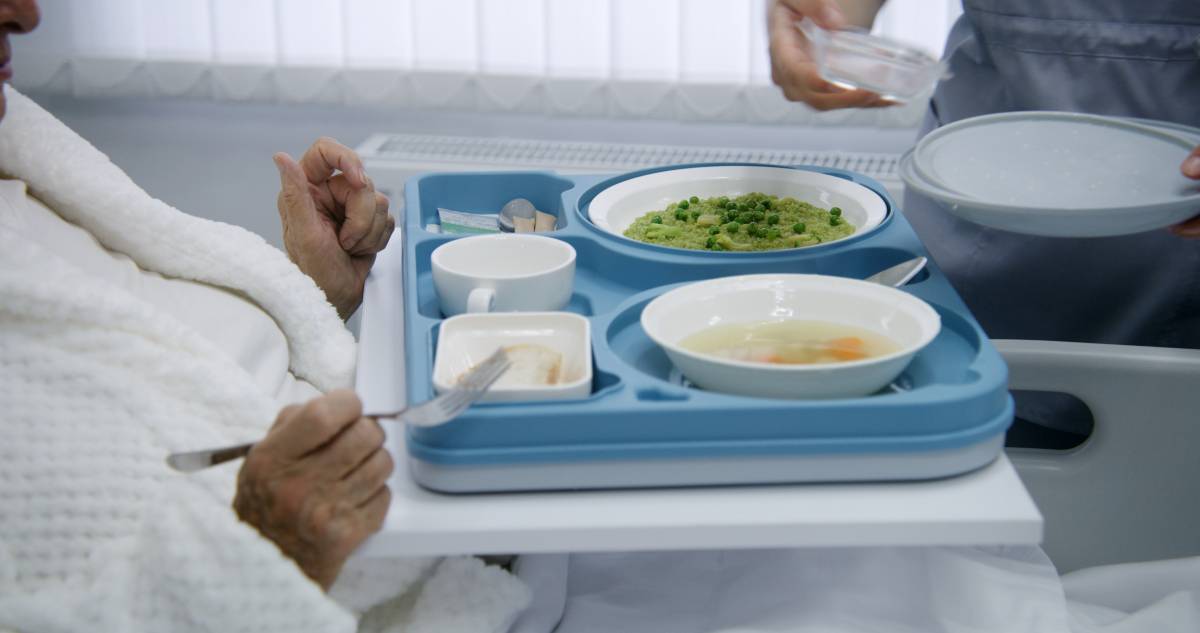
The perioperative period represents a vital timeframe when nutritional status directly affects surgical outcomes, recovery speed, and patient survival rates. Malnutrition—whether obvious or hidden—remains an underrecognized risk factor in surgical populations. Research consistently shows that poor nutrition before surgery increases postoperative complications like infections, slow wound healing, and extended hospitalizations. Therefore, incorporating nutritional evaluation and optimization into perioperative protocols is essential for improving patient results and reducing costs.
Perioperative nutrition involves interventions surrounding surgery designed to counteract the body’s catabolic response to surgical stress. Surgery triggers physiological changes including heightened metabolism, insulin resistance, and inflammatory responses that increase protein and energy demands. Unmet nutritional needs lead to functional decline, higher morbidity rates, and greater complication risk. Recent scholarship emphasizes “preoperative nutritional optimization, particularly among high-risk populations” including elderly patients, cancer patients, and those with chronic conditions.
Validated screening instruments like MUST and SGA help identify at-risk patients early. This allows clinicians to provide oral supplements, tube feeding, or intravenous nutrition when appropriate. A recent study demonstrated that machine learning-based prediction tools surpassed conventional approaches in identifying malnutrition-related surgical risks, indicating promising advances in customized perioperative care.
Research supports immuno-nutritional formulations containing arginine, omega-3 fatty acids, and nucleotides in reducing infections and hospital stays, particularly for gastrointestinal and cancer surgeries. Prehabilitation programs combining nutrition, exercise, and mental health support also show promise for enhancing postoperative recovery.
Postoperative nutrition deserves equal attention. Starting enteral feeding within 24 hours post-surgery correlates with faster recovery, lower infection rates, and reduced muscle loss. A 2024 systematic review found that “multicomponent interventions, including tailored nutrition plans, significantly improved functional recovery” in frail elderly patients.
Implementation challenges persist despite strong evidence. Obstacles include inconsistent protocols, poor interdisciplinary communication, and insufficient surgical team awareness. Machine learning tools integrated with electronic health records offer potential solutions for improving early detection and treatment planning.
Perioperative nutrition fundamentally impacts surgical success. Healthcare systems require comprehensive, team-based approaches utilizing early screening, personalized treatments, and innovative technologies to maximize benefits.