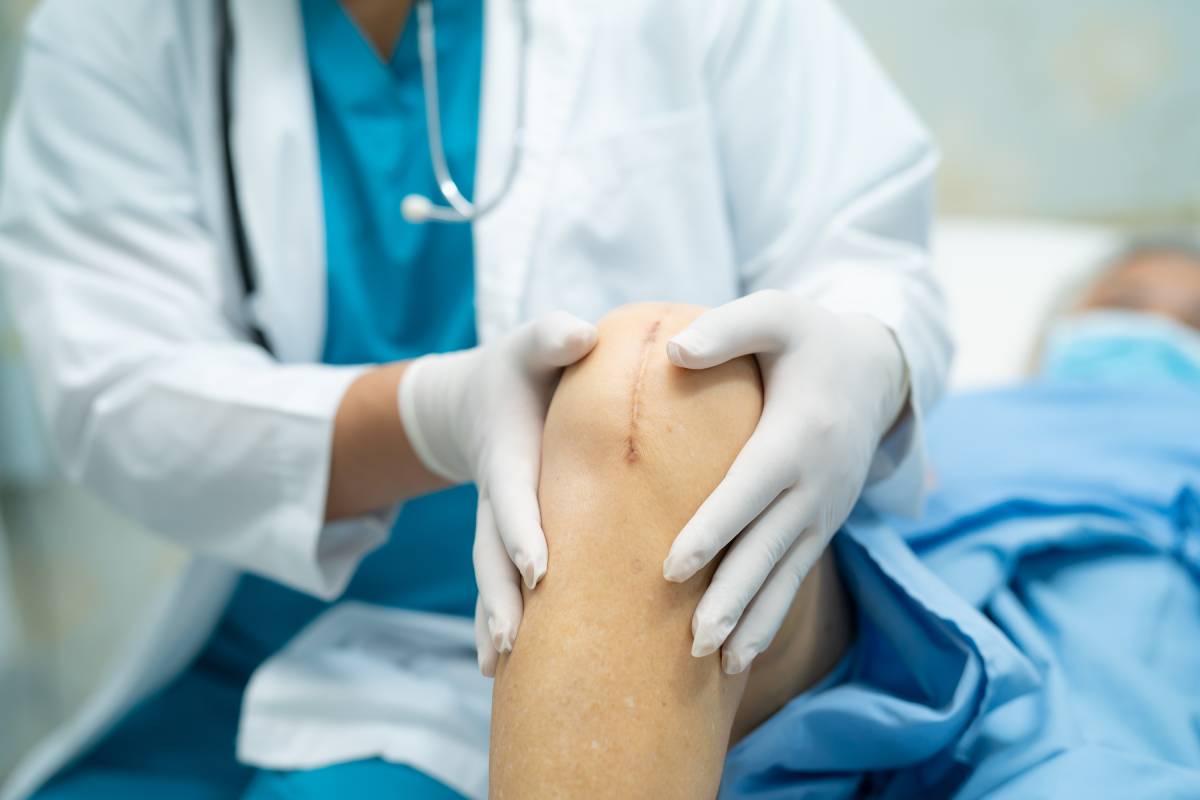
Joint replacement surgery, including total knee and hip replacements, is frequently performed as an elective procedure. While it typically alleviates pain and enables patients to resume active lifestyles, approximately 1% of patients experience postoperative infections. Managing these infections demands swift action to prevent lasting complications.
Infections following joint replacement may occur in the surgical wound or develop around the artificial implants. These can manifest during hospitalization, after discharge, or even years post-surgery. Multiple treatment approaches exist for addressing such infections.
When joint infection is suspected, prompt diagnosis and appropriate intervention enhance the likelihood of preserving the implants. Physicians will evaluate medical history and conduct thorough physical examinations, potentially ordering imaging studies and laboratory blood work.
Sometimes only superficial tissues surrounding the joint become infected. "If the infection is detected early enough, a patient's doctor may swiftly prescribe oral or even intravenous antibiotics." Early superficial infection treatment demonstrates favorable outcomes.
Deep infections extending beyond surface tissues typically require surgical intervention. Three approaches exist: debridement (joint washout for early deep infections), staged surgery (implant removal followed by replacement in a second procedure), and single-stage surgery (removing and replacing implants simultaneously).
Prevention measures taken during original surgery significantly reduce infection risk, including antibiotic administration before and after the procedure, minimizing operating duration, and maintaining sterile techniques and instruments.