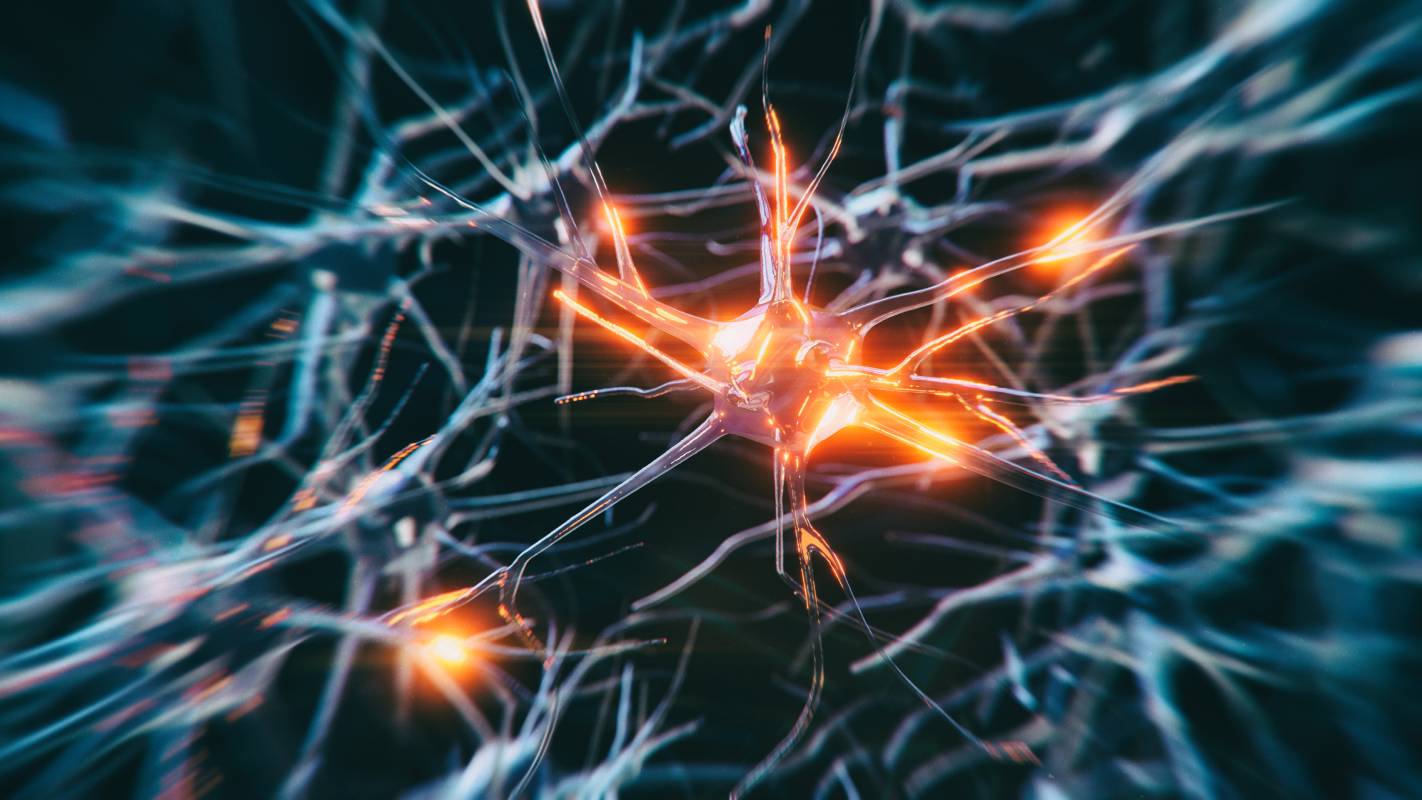
Pain constitutes "an unpleasant sensory or emotional experience," yet the capacity to experience pain serves as an adaptive mechanism enabling organisms to respond to potentially harmful stimuli. Understanding both objective sensory components (nociception) and subjective emotional dimensions proves essential for effective pain management.
The transmission of pain signals begins when pain receptors called nociceptors generate electrical signals through a process termed transduction. These receptors, distributed across skin and internal structures including muscles and bones, detect mechanical damage, inflammatory responses, and temperature variations. Two distinct neural pathways convey pain: myelinated A-delta fibers transmit signals rapidly, producing sharp localized sensations, while unmyelinated C fibers conduct signals slowly, creating dull, diffuse aching sensations.
The brain actively processes pain through the spinothalamic tract, which delivers nociceptive signals to the thalamus, creating conscious pain perception. Notably, the brain can modulate pain intensity based on circumstances. The cerebral cortex and brainstem structures influence neurotransmitter release, meaning that past experiences, contextual factors, and emotional states shape the pain experience itself.
Pain sensitization occurs when inflammatory molecules like histamine and prostaglandins increase nociceptor excitability. While adaptive initially, this can progress to hyperalgesia—a maladaptive condition where nociceptors react excessively to benign stimuli, potentially developing alongside conditions like rheumatoid arthritis.
Treatment approaches include NSAIDs like aspirin and ibuprofen, which inhibit prostaglandin synthesis to reduce inflammation and pain. Current research employs genetic mapping and brain imaging technologies to understand chronic pain conditions and develop more targeted therapeutic interventions.