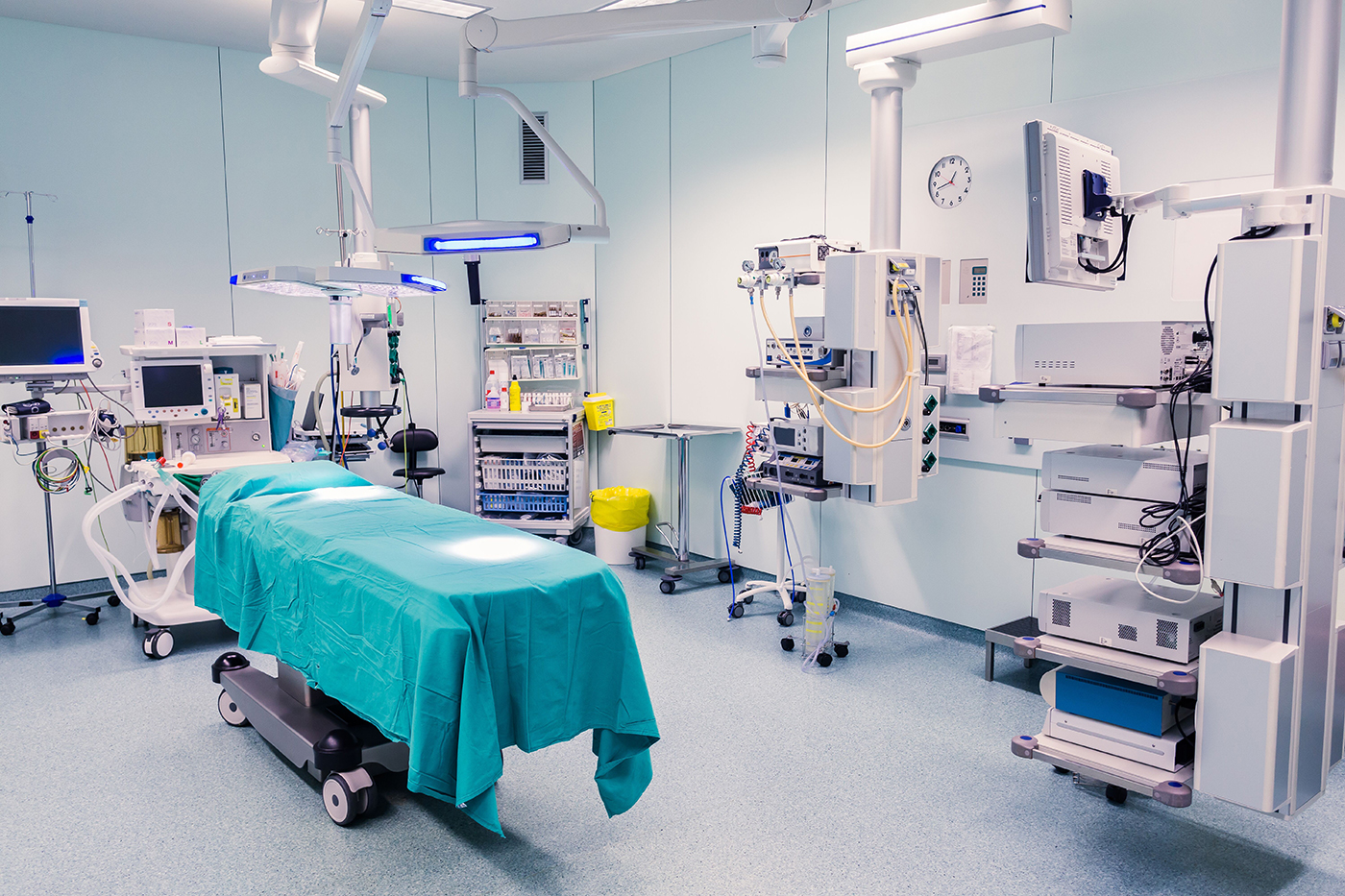
The technological revolution has fundamentally transformed healthcare delivery. Robotic surgery gained prominence as practitioners embraced minimally invasive approaches, yielding advantages including reduced trauma, shorter hospital stays, superior visualization, fewer postoperative complications, and decreased scarring. Monitoring innovations and improved anesthetic agents have similarly revolutionized anesthesia administration. "Currently, there are three main categories that represent automation in anesthesia: 1) pharmacological, 2) mechanical, and 3) decision making robots." Though not yet commonplace, these systems are gaining acceptance as tools for minimizing errors and optimizing patient outcomes.
Pharmacological robots employ closed-loop mechanisms to assist with drug titration. These systems contain three components: a central operating system, target control variables, and a drug delivery mechanism. The system continuously adjusts to maintain targets through feedback without manual intervention. Development of the Bispectral Index (BIS) was crucial to automating drug application by measuring anesthesia depth. BIS was initially applied to isoflurane, then propofol-based systems. The CLADS system represented an advancement, though single loop systems could only control one anesthesia component. "Most recently, usage of M-Entropy instead of BIS monitoring has allowed for a dual loop system," enabling McSleepy—the first true pharmacological robot—to manage hypnosis, analgesia, and muscle relaxation simultaneously.
Manual robots support intubation procedures. The DaVinci Surgical System features multiple arms, a camera, and graspers assisting hand movements. The Kepler Intubation System includes a joystick, robotic arm, and video laryngoscope for oral intubations. The Magellan system was designed specifically for robotic nerve blocks during regional anesthesia.
Decision support systems and telemedicine have rapidly expanded. "DSS are designed to update the healthcare professional with clinical suggestions and treatment options." These systems excel at detecting adverse events, particularly managing intraoperative blood pressure fluctuations and critical sedation events. Telemedicine delivers remote healthcare services with demonstrated effectiveness across pre-, intra-, and postoperative anesthesia procedures.
Robotic anesthesia advancement promises enhanced accuracy, safety, and efficiency in anesthetic management while improving overall care quality.